
Why Effective Corporate Event Planning Matters
Corporate events are essential for businesses. They’re strategic tools used for key purposes like building team morale, propping client relationships, delivering crucial training, launching products, or driving sales. Events such as conferences, team-building days, workshops, and parties all require careful organisation to succeed.
Effective corporate event planning can seem complicated, involving budgets, logistics, and coordinating multiple elements. However, following a systematic process makes all the difference. This guide provides a straightforward, step-by-step roadmap.
It breaks down the entire corporate event planning journey from your initial idea and goals right through to what you do after the event into clear, actionable stages. Use this guide to plan your next corporate event effectively, whatever its purpose or scale.
What is Corporate Event Planning?
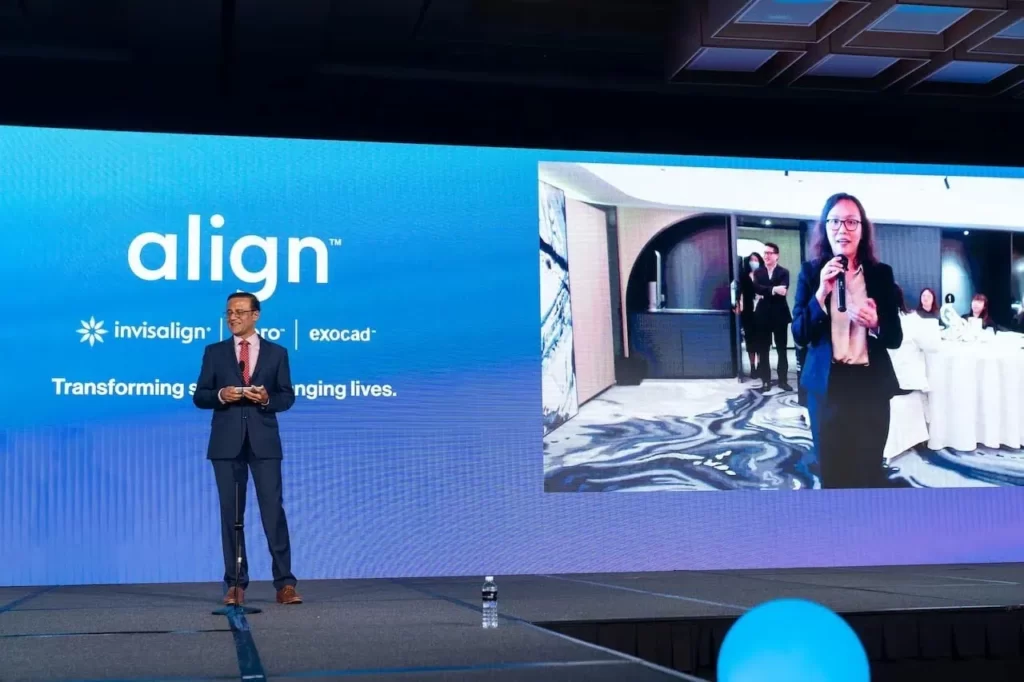
To put it simply, corporate event planning is the process of designing, organising, and managing events held for business purposes. These can range widely:
Internal Events
Staff meetings, training sessions, team-building activities, holiday parties, and company retreats.
External Events
Conferences, networking meetups, trade shows, product reveal events, and dinners to thank valued clients.
Although each serves a different purpose, all these events require meticulous planning to align with business goals and ensure a rewarding experience for participants.
Step 1: Establish Clear Goals and Objective for Your Event
Set SMART goals:
Specific
What do you want to achieve?
Measurable
How will you quantify success?
Achievable
Are the goals realistic with your resources?
Relevant
Do they matter to your company’s bigger picture?
Time-bound
What’s the deadline for achieving them?
Get together with key stakeholders and be clear on the event’s purpose. Is it to boost team collaboration by 20%? To generate 50 sales leads? To provide training on a specific system for 50 new team members?
Step 2: Find the Right Event Format and Target Audience
Once your goals are in place, the next step is to identify your target audience and determine the type of event that will best engage them.
Figure out roughly how many people will attend (the audience size is essential for budget and venue). Consider who they are: employees from different departments, clients, partners, potential customers? Their age, interests, seniority, and what they expect from the event will influence everything from the venue feel to the session content and food choices.
Based on this, confirm the specific event type that best fits your goals and audience. A formal conference requires very different planning compared to a casual staff BBQ.
Step 3: Establish Your Corporate Event Budget
With your goals, audience size, and event type in mind, it’s time to get realistic about money. Corporate event planning success heavily relies on a well-managed budget.
Find out exactly how much budget is available for the event and get approval from the necessary budget holders. Then, start allocating funds to key areas. Typical corporate event expenses include:
Venue
Rental fees, security deposits, and permits.
Food & Beverage (F&B)
Catering costs, drinks, and dietary requirements.
Audiovisual (AV) / Technology
Microphones, speakers, projectors, screens, lighting, internet, and virtual/hybrid tech.
Decor & Production
Design, staging, lighting effects (separate from AV), flowers, and signage.
Speakers / Entertainment
Fees for external speakers, performers, and emcee(s).
Marketing & Promotion
Costs for design, online ads, printing invites/brochures, and an event website/microsite/app.
Staffing / Personnel
Hiring freelance event staff, security guards, and registration helpers.
Contingency
Set aside 5 – 10% of your total budget as an emergency reserve to handle unexpected costs.
Keep in mind that venue, AV/Tech, and F&B are often the most significant budget items. Discuss methods for tracking expenses from the start, whether with a spreadsheet or specific software.
Step 4: Build Your Corporate Event Team

Planning a successful corporate event rarely requires just one person. You’ll need help! Assembling the right team early on is a smart move.
Identify key people who can take on different scopes of the project. This includes someone great at logistics, a whizz with marketing and communications, a finance guru to help track costs, and a creative type for design ideas.
Assign clear roles and responsibilities so everyone knows what they’re responsible for. Hold regular team meetings and agree on communication channels to keep everyone updated and moving in the same direction.
Step 5: Research & Secure Venue & Date
Once you’ve determined the purpose, audience, event type, budget, and team, you’re ready to decide on the location and timing. Selecting the right venue is a crucial part of planning any corporate event.
Make a criteria checklist according to your event type, audience size, and initial budget. Key factors for venue selection include:
Capacity
The space should be able to accommodate your anticipated number of guests.
Location & Accessibility
Ensure the venue is easily accessible, with ample parking or good public transport links nearby. Consider accommodation options nearby if needed and verify that specific accessibility needs are met.
Facilities
Check that it has suitable rooms, breakout areas, and sufficient restrooms for your event’s needs.
Technical Capabilities
Confirm there is reliable WiFi, necessary power outlets, and existing AV infrastructure that meets your requirements.
Ambiance & Style
Determine whether the venue’s appearance and atmosphere align with the theme and concept you have in mind for the event.
Cost & Availability
A location should be available on possible event dates and within your budget.
Available Services/Staff
Ask if the venue offers in-house catering, AV services, or dedicated on-site staff support.
When you find a venue you like, secure it with a signed contract before taking any further action, such as printing invites or announcing the date broadly. You don’t want to promise a date or location only for it to fall through
Step 6: Design the Event Concept & Program
Here is where your corporate event planning gets its unique flavour and structure. You’ll take your goals and turn them into a tangible experience.
Create a concept – a theme or specific look. Map out your program schedule – decide sessions, speakers, activities, and vital breaks, planning how people move through the day smoothly.
Ensure all content is relevant, engaging, and aligned with your goals and audience. This step shapes what attendees will see, hear, and do.
Step 7: Identify & Book Your Key Corporate Event Vendors
Based on your venue and program design, you now know exactly what additional professional support you need to deliver the event.
Identify all required vendors like catering, AV, decor, entertainment, speakers, photographers, security, and transportation.
Research and select reputable providers who fit your needs and budget.
Obtain detailed quotes and carefully review contracts, ensuring they cover services, timelines, and payment schedules. Secure your bookings with formal, signed agreements to confirm all necessary professional support is in place.
Step 8: Plan Detailed Logistics, Operations & Risk Management
This step delves deep into the tactical details. The extensive planning ensures smooth execution on the day. It’s the backbone of effective corporate event planning.
Create Master Timelines & Show Flows
Develop a comprehensive timeline covering all planning deadlines. More critically, build a detailed Event Day Run Sheet or Show Flow, listing every element minute-by-minute/hour-by-hour, noting who, what, and when.
Implement Risk Management & Contingency Plans
Identify potential problems (weather, tech failure, cancellations). Develop specific backup plans and strategies to mitigate these risks. Be prepared for the unexpected.
Design Venue Layouts & Attendee Flow
Create detailed floor plans showing setup, seating, and activity areas. Map out how attendees will move through the venue to ensure smooth flow, managing entry/exit points and key pathways. Plan for clear signage.
Ensure Accessibility & Inclusivity
Verify that the venue and your plan accommodate attendees with disabilities (accessibility features). Confirm that catering includes varied dietary options and plan for other inclusive needs identified for your audience.
Finalise Staffing & On-site Roles
Determine the exact number of internal staff, volunteers, or external hires needed for event-day support. Assign specific roles and responsibilities for registration, directions, session support, etc.
Ensure all entertainment and speakers have necessary technical support (microphones, sound systems) and schedule rehearsals, especially for the MC and key speakers, for smooth execution.
Step 9: Develop Marketing & Registration Strategy
Now, promote your corporate event and manage who attends. This phase covers promotion, sign-ups, and essential attendee communication.
Start by crafting a focused marketing plan. Develop clear messaging and consistent branding. Identify where your target audience is and create engaging materials (invites, website content, social media posts) to reach them effectively.
Then, set up the registration process. Choose a suitable platform to manage sign-ups or ticket sales easily. Design simple registration forms. Plan essential attendee communications, including sending confirmations after they register and reminders with important information as the event nears. Also, plan how you will manage attendees checking in on event day.
Step 10: Execute Pre-Event Preparations & Final Confirmations
We are now at the crucial stage just before your corporate event kicks off. It’s all about final checks and making sure everyone is aligned and ready.
Confirmations
Double-check arrangements with all vendors, speakers, and key staff regarding arrival times, setup details, and specific requirements.
Site Visits & Technical Checks
Conduct thorough walkthroughs of the venue. Test all technical equipment, including AV systems and internet connectivity, to catch any issues early.
Prepare Event Materials
Print all necessary documents, attendee badges, schedules, and any welcome kit items.
Finalise Attendee List & Check-in
Confirm the final attendee list and organise the process for smooth check-in on the day.
Team & Staff Briefing
Hold a final meeting with your event team and temporary staff to go over the detailed Run Sheet/Show Flow and confirm key roles and responsibilities.
Address Last-Minute Issue
Be ready to handle any final details or potential minor problems that might arise in the hours leading up to the event.
Step 11: Manage the Corporate Event Day
The planning has led to this – it’s event day! Your meticulous corporate event planning is put into action.
Oversee Setup & Operations
Direct on-site setup and manage the venue operations throughout the event, ensuring the layout matches the plan.
Manage Attendee Flow
Run check-ins efficiently and assist guests with navigation and any immediate inquiries.
Coordinate Personnel & Vendors
Ensure all vendors, speakers, staff, and volunteers are on track and have what they need according to the plan.
Adhere to the Schedule
Keep the event strictly moving according to your detailed Run Sheet / Show Flow.
Problem Solving
Quickly address and troubleshoot any unexpected issues that arise, implementing your contingency plans as needed.
Maintain Team Communication
Ensure constant and precise communication channels are active within your core event team.
Step 12: Post-Event Analysis & Wrap-Up
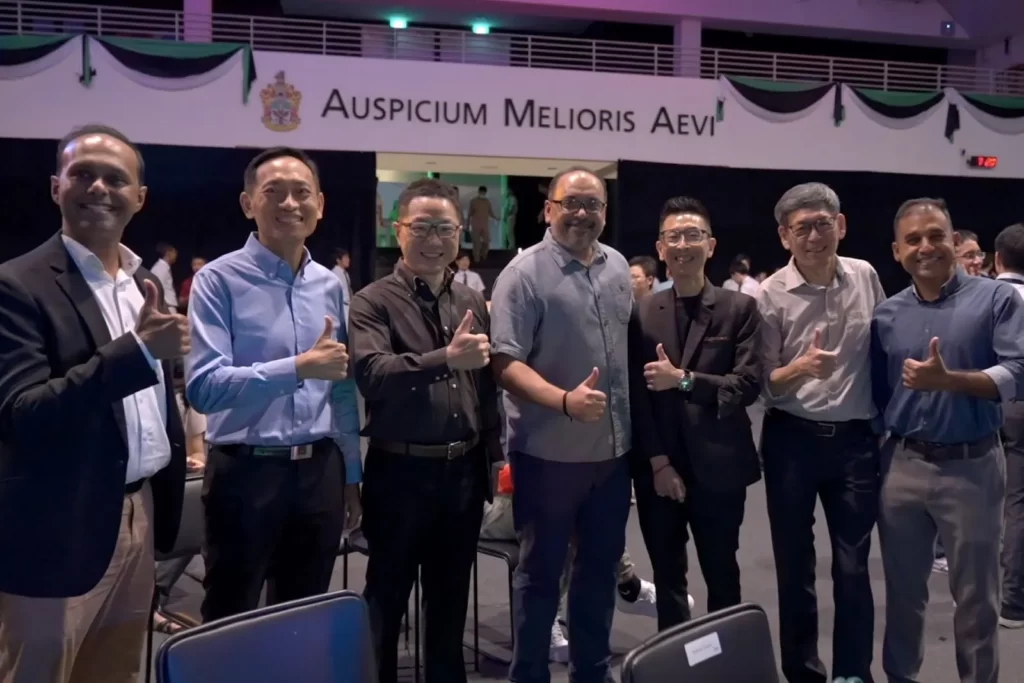
Completing your corporate event planning means handling wrap-up and learning from the experience. Finalise event finances, paying invoices and reconciling the budget. Send thank-you messages to all who contributed, including attendees, partners, and your team.
Crucially, gather feedback and data through surveys and analysis, and measure event success against your initial goals (KPIs). Conduct a team debrief to document lessons learned, informing future corporate events. Finally, share key highlights on social media to keep the buzz going.
Ready to Craft Your Own Unforgettable Moments?

Corporate event planning is indeed a challenging but incredibly rewarding task. By following this comprehensive, step-by-step guide moving methodically from defining your fundamental goals and audience, through detailed logistics and vendor management, to seamless event-day execution and crucial post-event analysis – you create a clear path to success.
Contact The Blue Pocket today by WhatsApp or call us at +65 8198 4670 to discuss how our team can help you plan your next successful corporate gathering.